Uhl Integrative Chiropractic
Chiropractic Adjustments for the entire body from head/neck down to the feet and toes (and everything in between).
About
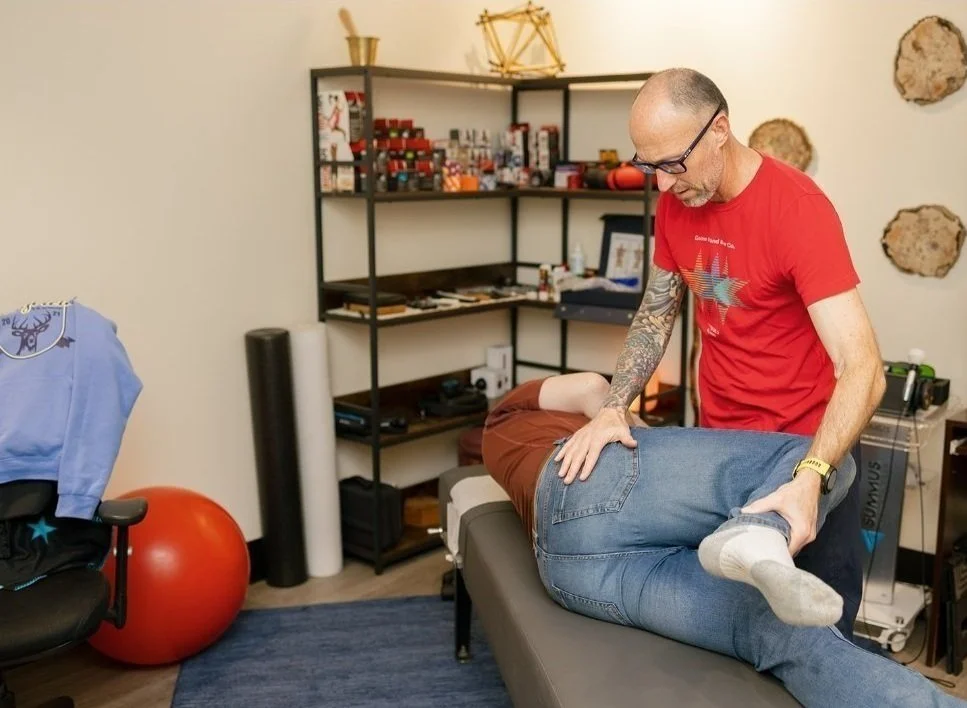
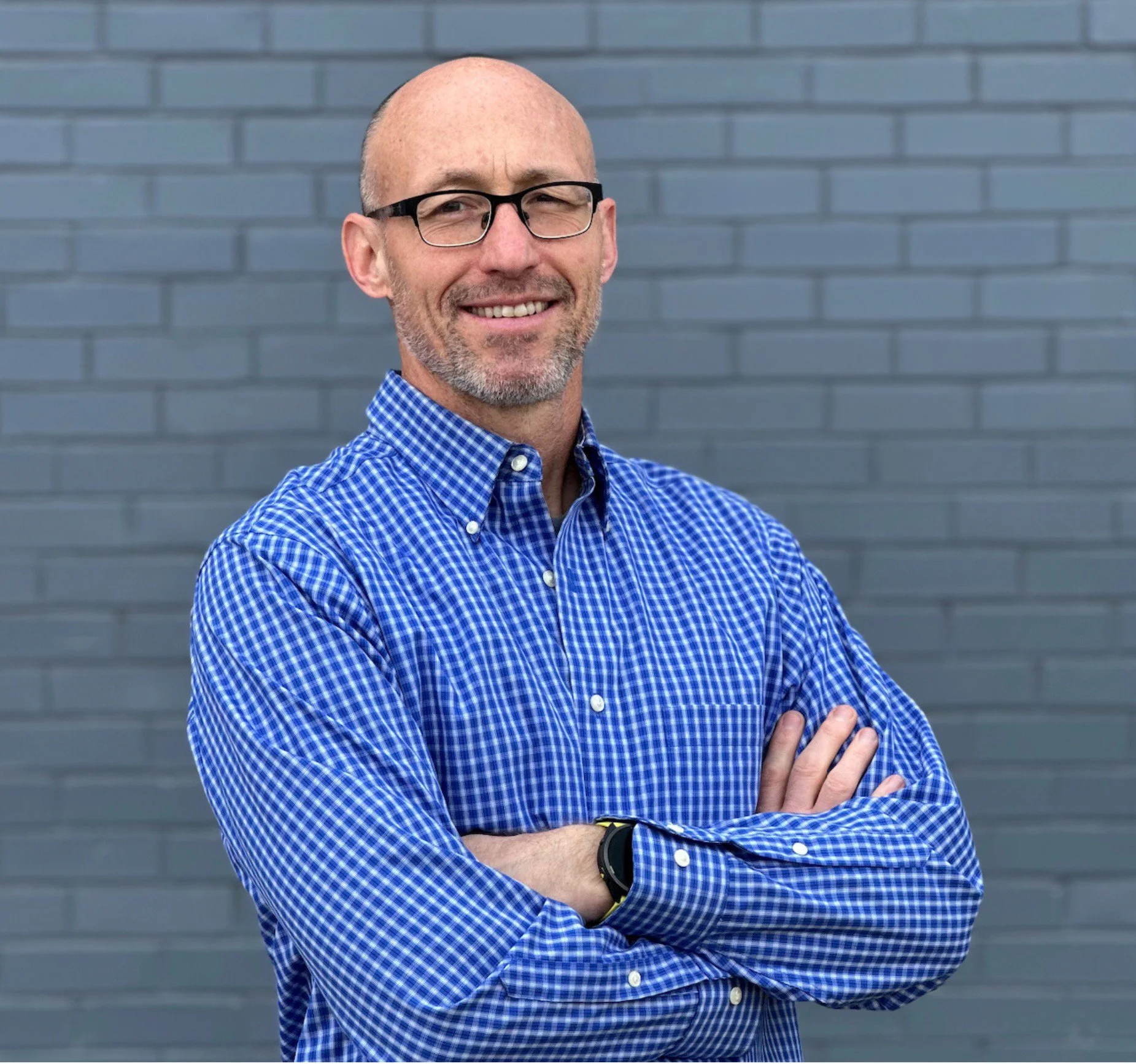
Dr. Nathan L. Uhl, D.C., is a seasoned chiropractor and the owner of Uhl Integrative Chiropractic. With an impressive 20-year career, Dr. Uhl brings a wealth of experience to his practice. His professional journey includes a notable five-year tenure at Cleveland Chiropractic, where he served as a lead clinician; guiding interns, taught classes, and contributed to research initiatives.
Dr. Uhl approaches each patient with a deep sense of care and compassion, tailoring assessments and treatments to meet their unique needs. To ensure the highest standard of care, he regularly attends seminars focused on the vascular, lymphatic, nervous, and musculoskeletal systems. His mission is twofold: to provide immediate relief and to equip patients with tools for sustained health and wellness throughout their journey.
Beyond his practice, Dr. Uhl is a devoted father to energetic twins. Together, they enjoy an active lifestyle that includes playing soccer, riding bikes, hiking in the mountains, practicing yoga, and exploring new recipes.
Dr. Nathan L. Uhl looks forward to welcoming new patients and supporting them on their path to improved health at Uhl Integrative Chiropractic.
Techniques
-
It’s very common for patients to feel a bit apprehensive when they hear terms like "nerve flossing" or "neuromobilization," but these are actually some of the gentlest and most effective tools we use to treat nerve irritation. Think of your nerves not as static wires, but as living, sliding cables that need to move freely through your body to stay healthy.
What is Neuromobilization?
Neuromobilization (also called neurodynamics) is the "umbrella term" for exercises that help your nerves move better. Normally, when you move your arm or leg, your nerves slide back and forth through tunnels made of muscle, bone, and connective tissue. If a nerve gets "stuck" due to inflammation, scar tissue, or tight muscles, it can feel like a snagged thread, causing pain, tingling, or numbness. Neuromobilization helps "unstick" the nerve.Nerve Gliding vs. Nerve Flossing
In most clinics, these terms are used interchangeably, but they describe a specific type of movement.The "Flossing" Metaphor: Imagine holding a piece of dental floss between your teeth. When you pull one end, you let go of the other. The floss slides back and forth without being pulled tight.
The Technique: We move two joints at the same time in a way that pulls the nerve at one end while giving it "slack" at the other. This lets the nerve "glide" through its pathway without putting it under painful tension.
Why are we doing this?
Unlike a muscle stretch where the goal is to make the tissue longer, we never want to "stretch" a nerve. Nerves are very sensitive to tension. Instead, we use "gliding" to:
- Improve Blood Flow: Movement pumps fresh, oxygen-rich blood into the nerve.
- Reduce Inflammation: It helps move "inflammatory soup" (swelling) away from the irritated area.
- Break Adhesions: It gently releases small "sticky spots" where the nerve might be caught.The "Golden Rule" for Success
Because nerves are sensitive, these exercises follow different rules than typical gym exercises:
- "Less is More": You should never feel sharp pain, "zaps," or increased tingling.
- Stay in the "Comfort Zone": We move right to the edge of where you feel a gentle sensation, then move back.
- Slow and Steady: These are rhythmic, pulsing movements—not long, static holds.
Patient Tip: If your symptoms feel worse after the exercise, you may be pulling too hard. The goal is to "whisper" to the nerve, not "scream" at it. -
Graston Technique/RockTape Blades/FAKTR and other IASTM (Instrument Assisted Soft Tissue Mobilization) and Gua Sha.
If you’re experiencing stiffness, chronic pain, or recovering from an injury, your therapist may recommend Instrument-Assisted Soft Tissue Mobilization (IASTM). The most famous version of this is the Graston Technique. While the tools might look a bit intimidating at first, they are designed to help you heal faster by reaching deeper layers of tissue than a therapist can with their hands alone.
What is IASTM? IASTM is an umbrella term for any manual therapy that uses specialized tools—usually made of medical-grade stainless steel or hard plastic—to "scrape" or massage the skin. These tools have specifically contoured edges (concave, convex, and beveled) to fit different parts of your body, like the curve of your ankle or the flat of your back.
The Graston Technique: The Graston Technique is a specific, branded form of IASTM. It uses a set of six patented stainless steel instruments.
The "Stethoscope" Effect: Therapists use these tools to "scan" your muscles. Because the metal doesn't compress like human fingers, it vibrates when it passes over scar tissue or "knots," helping the therapist pinpoint the exact source of your pain.
Targeted Treatment: Once an area of restriction is found, the therapist uses the same tool to apply rhythmic pressure, breaking down the restricted tissue.
How It Works: When you are injured, your body often repairs itself with scar tissue (adhesions). Unlike healthy muscle fiber, scar tissue is messy, less flexible, and has poor blood flow.
Breaking Down Adhesions: The scraping action creates "micro-trauma" in the affected area.
Restarting the Healing Process: This micro-trauma triggers a localized inflammatory response. This might sound bad, but it actually signals your body to send fresh blood, oxygen, and nutrients to the area to "restart" the healing.
Collagen Realignment: As the tissue heals, it helps realign the fibers so they are smooth and flexible again, rather than a tangled mess.
What to Expect During Your Session: A typical session is relatively quick and usually follows these steps:
- Warm-up: Light exercise or a heat pack. Makes the tissues more pliable.
- Lubrication: A lotion or oil is applied to your skin. Allows the tool to glide without causing skin burn.
- The Stroke: The therapist glides the tool over the area for 30–60 seconds. Identifies and treats tissue restrictions.
- Movement: You may be asked to stretch or move while they use the tool. Treats the tissue through its full range of motion.Does it hurt? You will likely feel some discomfort or a "grit" sensation (like rubbing over sand), but it shouldn't be agonizing. Afterward, it is common to see redness or minor bruising (called petechiae), which is a sign of increased blood flow.
Other Common Techniques: While Graston is the "gold standard," you may encounter other similar methods:
- ASTYM: Focuses more on stimulating the body's natural regenerative ability across larger kinetic chains rather than just "breaking" scar tissue.
- HawkGrips: Uses tools with textured handles for better grip and precision.
- Gua Sha: A traditional Chinese medicine technique that uses similar scraping motions with smooth stones or spoons to improve "Qi" and circulation. -
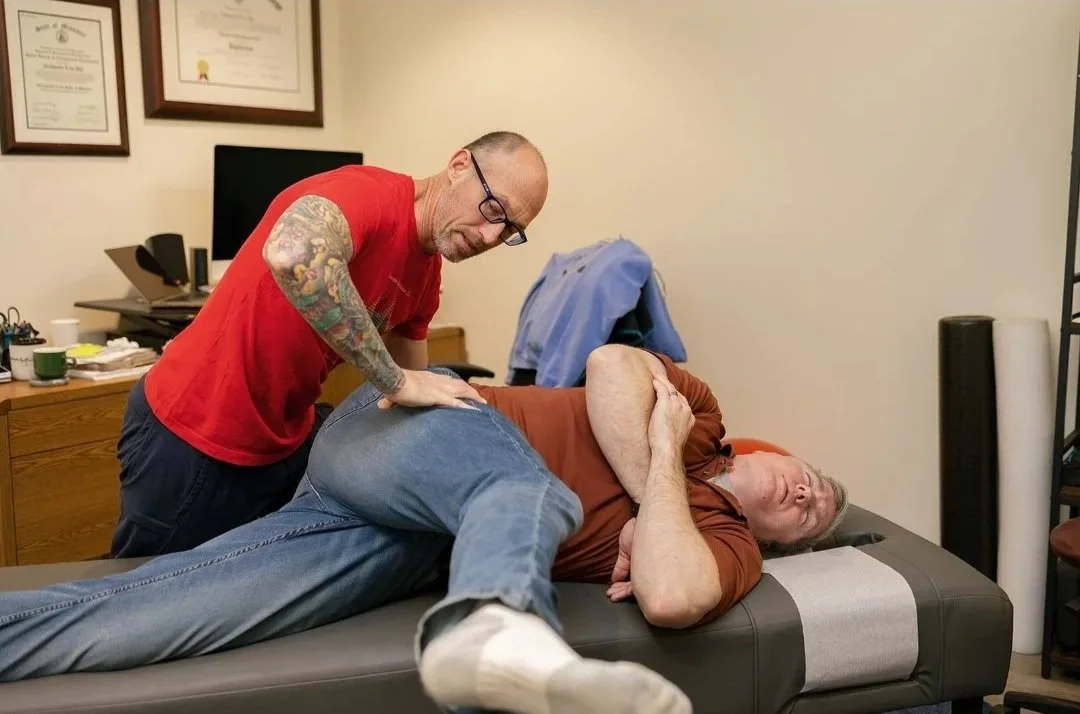
by Lawrence H. Jones, D.O., FAAO: Relieving spinal or other joint pain by passively putting the joint into its position of greatest comfort therefore relieving pain by reduction and arrest of the continuing inappropriate proprioceptor activity.
-
What is Myofascial Release? To understand the treatment, you first need to know about fascia. Think of fascia as a 3D "internal sweater" or a spider-web-like wrap that surrounds every muscle, bone, nerve, and organ in your body. When you are healthy, this tissue is flexible and glides easily. However, due to stress, injury, or poor posture, the fascia can become tight, "sticky," or even scarred.
Myofascial Release is a hands-on technique where a therapist applies gentle, sustained pressure into these tight areas to help the tissue "melt" and regain its natural elasticity.
-
In simple terms, neuromuscular reeducation is a way of "re-syncing" the communication between your brain and your muscles. Imagine your body is like a computer system: The Brain is the software (the boss). The Nerves are the Wi-Fi or cables (the messengers). The Muscles are the hardware (the workers). When you get injured, have surgery, or spend years with poor posture, the "Wi-Fi" signal gets glitchy. Even if your muscles are strong enough to do a job, they might get the message too late, too weak, or not at all. This therapy is the process of fixing that connection.
How It Works: Think of it like learning to ride a bike again. When you first start, you have to think about every tiny movement. Eventually, it becomes "automatic." Neuromuscular reeducation uses specific exercises to turn those manual movements back into automatic habits.
The Problem: Your brain "forgot" how to use a muscle correctly due to pain or injury.
The Goal: To rebuild "muscle memory" so you move smoothly without thinking.
The Method: Repeating very specific, controlled movements to "remap" the brain's pathways.Common Techniques:
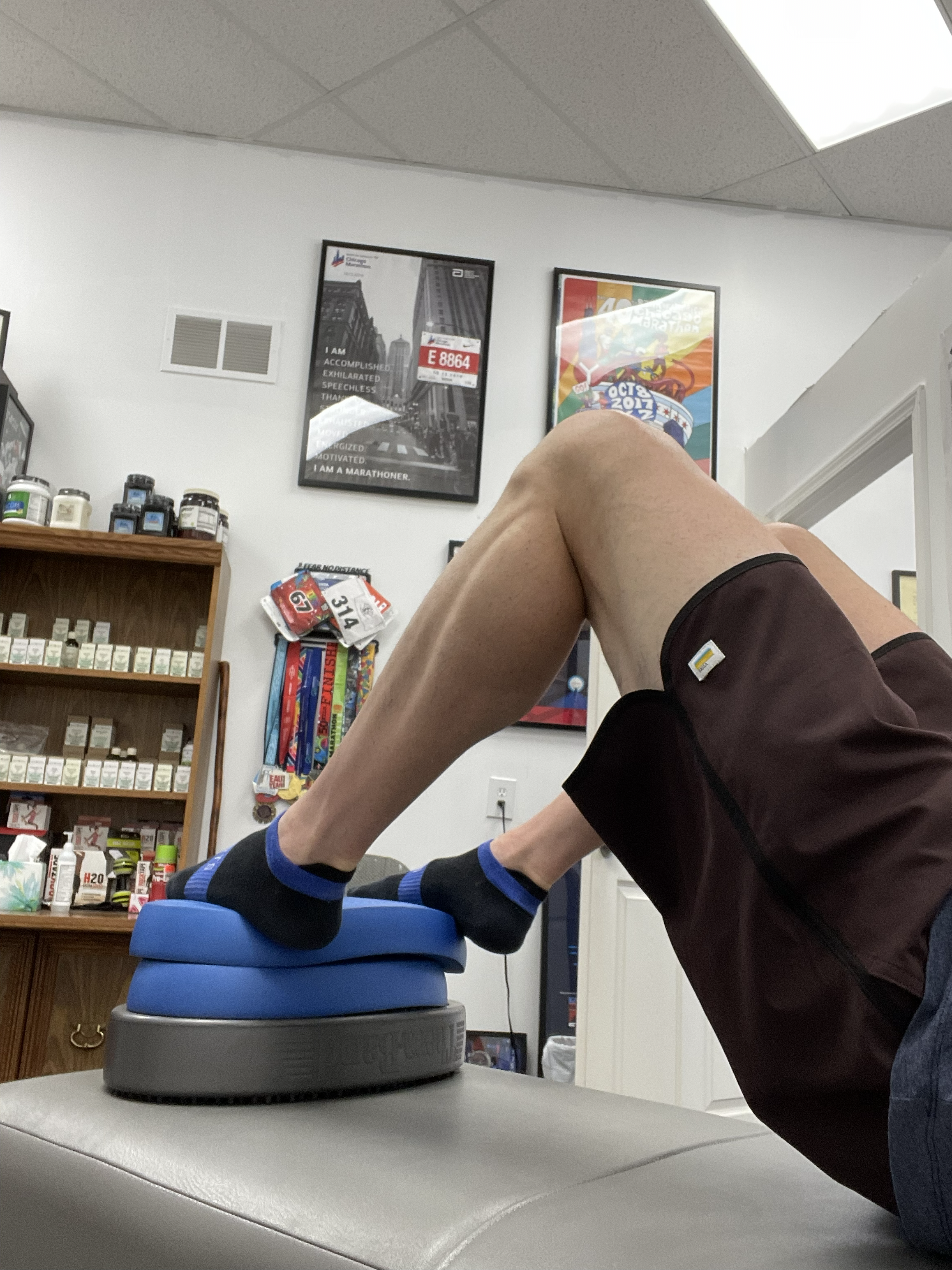
- Used Balance Training: Standing on a foam pad or one leg to force the brain to talk to the stabilizing muscles in your ankles and core.
- PNF (Stretching & Contracting): A therapist might have you push against their hand while they move your limb to wake up specific nerve endings.
- Biofeedback: Using mirrors or sensors so you can see when a muscle is firing, helping your brain make the connection.
- Taping: Using athletic tape (like Kinesio tape) to give your skin constant "reminders" of where your limb is in space.Why do people need it? It isn’t just for major injuries like a stroke. It is frequently used for:
- Post-Surgery: After a knee replacement, your brain might still try to "protect" the knee by not using certain muscles.
- Chronic Pain: If your back hurts, you might walk differently to avoid pain, creating "bad" movement habits that need to be unlearned.
- Athletic Performance: Helping an athlete jump or land with better form to prevent future ACL tears. -
Who is qualified? Well there is much overlap between chiropractic care and physical therapy including some classes, books, research, etc. Phase I goals are for pain modulation and early ROM (range of motion). Phase II goals are restoring ROM and increasing strength leading into Phase III focus on safe return to sports and work duties.
-
-
-
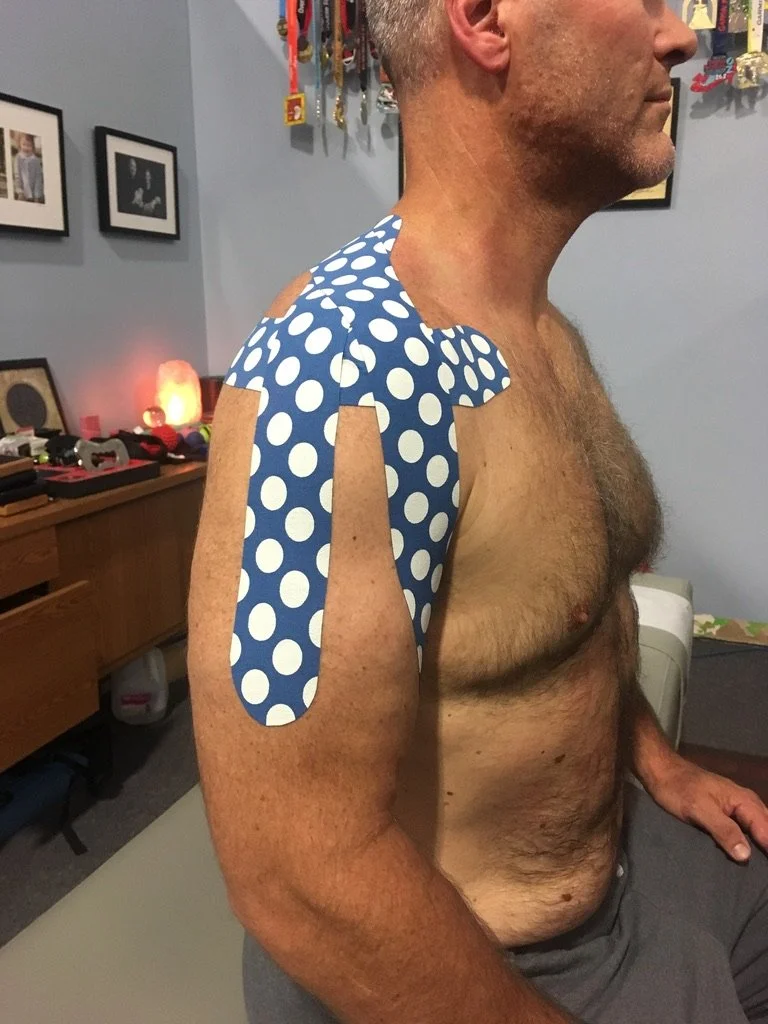
Proprioceptive feedback (or input) we receive from the various tissues and joints in our body can influence the way we move. Depending on our daily, repetitive activities, the ways in which we move or complete tasks can lead to excessive strain on muscle tissue(s). This can lead to pain and even injury over time. Chiropractic Kinesiology, or Kinesio, Taping can provide external feedback to help correct and improve these movement patterns. In addition, Kinesio Taping also improves blood flow and lymph return, which can aid in tissue recovery.
FMT+ Certified (Functional Movement Techniques)
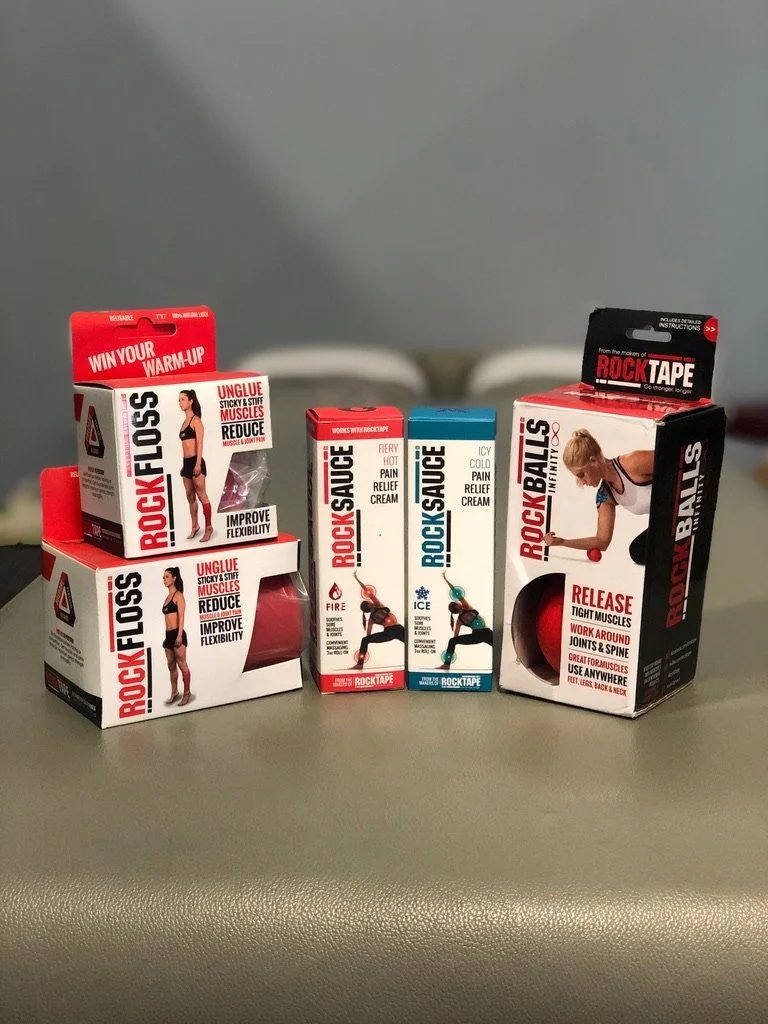
FMT+ certified in RockTape (basic and advanced)
FMT+ certified in RockBlades (basic and advanced)
FMT+ certified in RockFloss and RockPods
FMT+ certified Movement Specialist
-
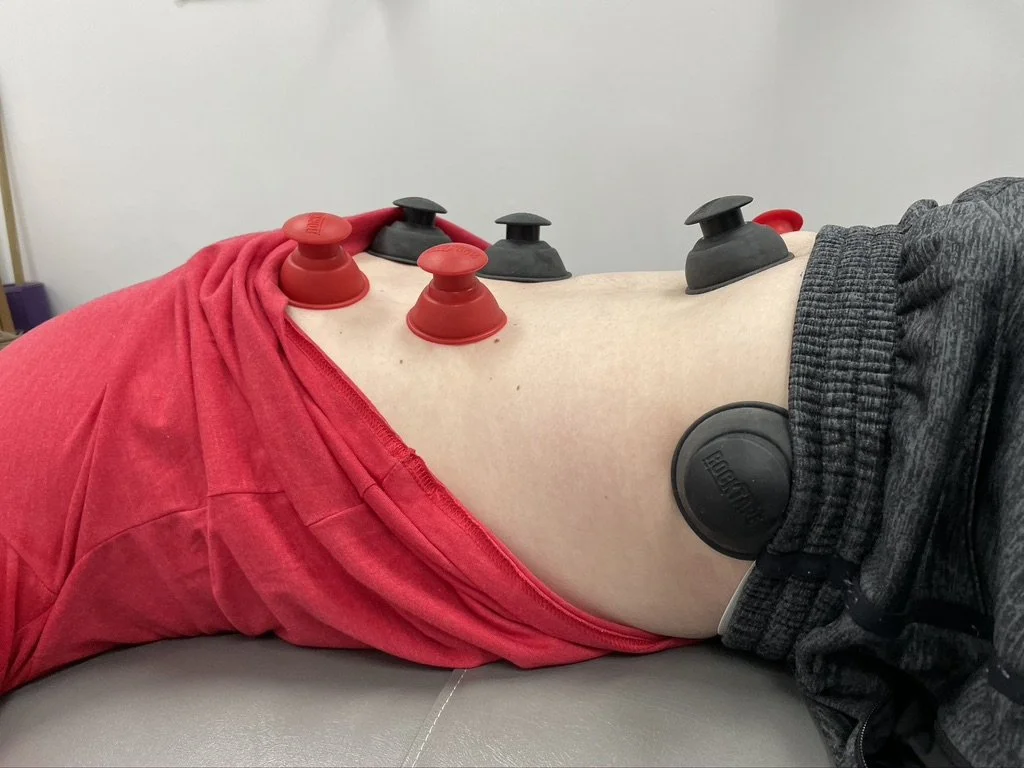
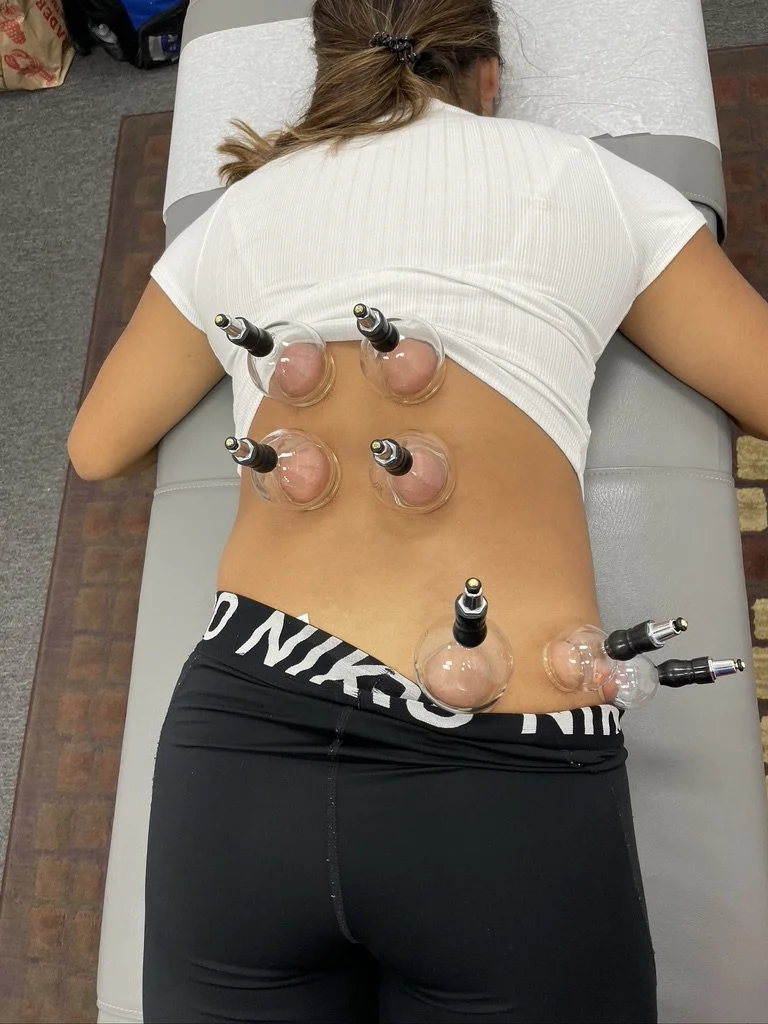
Cupping therapy is an ancient form of alternative medicine that uses suction cups to create negative pressure on the skin (we like to call it local decompression). This technique, which has roots in ancient Egypt and China, is believed to promote blood flow, reduce muscle tension, and alleviate pain. Cups, traditionally made of glass, bamboo, or silicone are placed on the skin then a vacuum is created inside the cup. This vacuum can be created through heat (fire cupping), manual pumping (air), or electrical pumps drawing the skin and superficial tissue upwards into the cup. Cups are typically left in place for a short period of time, usually 5-15 minutes. Cups can also be moved around on the skin, often with oil or lotion, for a massage-like effect. Possible side effects can include bruising at the site of the cup, skin irritation, and to a much less extent fatigue, headaches, or nausea may be experienced.
-
Lymphatic/Glymphatic MOJO - Working on the most powerful and neglected system in chronic pain, sports performance, and recovery.
Nerve MOJO - Focuses on helping restore optimal nerve slide/glide, blood flow, and lymph flow for the primary nerves in the body that cause chronic pain. When nerves don't move well or have adequate fluid flow, pain shows up. Most people don't even know they have underlying nerve issues because they haven't experienced pain yet. Or if they have pain, they are only focusing on nerves at the site of the pain and overlooking nerve pathways and snag points. Don't make the mistake of focusing on one spot
Vagus MOJO - The first principle of effective healing is your nervous system must be calmed down. The Vagus Nerve does that. If it is working well and has the right tone. If it doesn't, you will remain in sympathetic nervous system dominance and struggle to heal. You cannot heal when you are defending. Cells are either in growth mode or defense mode. They cannot be in both at the same time. The Vagus nerve is the healing mode switch. The Vagus nerve is the most important nerve in the body. If that works well, all the other nerves can work better.
Blood Flow MOJO - Tight tissues do not accept blood flow well. Poor blood flow means poor oxygen delivery/nutrients into a cell and poor waste removal away from an injury and out of the body. This causes chronic pain, inflammation, disease, and poor recovery/performance.
Gut/Visceral MOJO - Again the Vagus nerve for optimal gut function. How you can balance stomach acid for better digestion. Ways to enhance your lymphatic system to support healing.
Breathing MOJO - If youre not breathing well nothing works for long. You take an average of 20.000 breaths a day. It's a good idea to do it an optimal way including how the diaphragm and breathing influence healing and all the other systems in the body. Breathing is the #1 way to influence your autonomic nervous system's fight or flight stress response. Reducing fight or flight must happen for healing to happen. Dysfunctional breathing patterns from stress (fight or flight mode) feed the body’s environment for inflammation, causing chronic pain. Chronic pain impacts your daily life, making it difficult to enjoy the simplest activities, work, and even your ability to relax. Breathing can help manage pain and improve your quality of life.
Tongue MOJO - Because it doesn't hurt, the tongue is so neglected. People rarely complain of tongue pain, yet they feel pain everywhere else. Don't let the absence of tongue pain fool you. The tongue plays a fundamental role in whole-body function. Pain only tells you there is a problem. It does not tell you what or where it is. Really cool things about your tongue: The tongue fascia connects to the sternocleidomastoid muscle and the musculature acting on the thoracic outlet. (That means neck pain, and poor lymph and blood flow may result in tongue tightness). The tongue also connects to the foot via fascia (Deep Front Line). The tongue is considered a pressure diaphragm that controls breathing, fluid motion, and postural stability. Tongue position influences the whole body by influencing the sympathetic and parasympathetic nervous systems. One position activates the parasympathetics more. That is the stress response! Lower limb strength is linked to tongue position. The tongue has a massive sensory and motor representation in the brain which means it can significantly impact pain and movement. Following are symptoms/conditions that may improve by working the tongue: headaches, neck pain, jaw pain/TMJ, facial pain, shoulder pain, tingling in the arms and hands, back pain, coordination, posture and balance, and foot pain.
Eye MOJO - The eyes are a direct extension of your brain. They grow directly off of the brain. Think about that. What does that mean? Eyes have the greatest impact on the overall function of your brain. 70% of the brain is devoted to processing vision. That's quite big. Your eyes have muscles too. Each eye has 6 muscles calls extraocular muscles. They move the eye. And just like any other muscle in your body, they need exercising and training. Just using them is not enough. Training them helps your other muscles work more efficiently. Eyes go. Head goes. Body goes. You see something. Turn your head to focus on it. Then your body moves towards or away from it. Eyes drive the body. Looking up excites extension (bending backward). Looking down excites flexion (bending forward). Looking left and right excites rotation (twisting). This is how the eye may cause pain in the muscles that cause these actions. Your eye nerve (optic nerve) drains lymphatics and cerebrospinal fluid. That's a big deal when it comes to brain health.
Possible symptoms of poor eye function: poor balance, headaches/migraines, neck pain, back pain, shoulder pain, tinnitus, tiredness/fatigue, TMJ pain, anxiety (fight or flight), sympathetic dominance, poor posture, and more.
-
What is Laser Therapy?
Laser therapy delivers specific red and near-infrared wavelengths of laser light to induce a therapeutic effect within the body. These include increased circulation, decreased swelling, reduction of pain, and enhanced tissue repair. Laser therapy has been used in Europe since the 1970s and was cleared by the United States Food and Drug Administration in 2002.Therapeutic Effects
The painless application of laser energy promotes increased circulation by drawing oxygen and nutrients to the affected area. This creates an optimal healing environment reducing inflammation, swelling, muscle spasm, stiffness, and pain. As the injured area returns to normal, pain is relieved, and function is restored.Does It Hurt? What Does a Treatment Feel Like?
There is little or no sensation during treatment. Occasionally one feels a mild, soothing warmth or tingling sensation. Areas of pain or inflammation may be briefly sensitive before pain reduction.Are There Any Side Effects or Associated Risks?
During more than twenty years of use by healthcare providers all over the world, very few side effects have ever been reported. Occasionally, some old injuries or pain syndromes may feel aggravated for a few days, as the healing response is more active after treatment.How many treatments does it take?
This depends on the nature of the condition being treated. For some acute conditions, 4 to 6 treatments may be sufficient. Those of a more chronic nature may require 10 to 12 (or more) treatments. Conditions such as severe arthritis may require ongoing periodic care to control pain.How long before the results are felt?
You may feel improvement in your condition (usually pain reduction) after the very first treatment. Sometimes you will not feel improvement after several treatments. This does not mean that the condition is not improving. Each treatment is cumulative, and results are often felt after 3 or 4 sessions.Conditions Laser Therapy Can Help With:
High-power laser therapy can stimulate all cell types, including soft tissue, ligaments, cartilage, and nerves. Some conditions that have been shown to respond well to laser therapy include:• Peripheral Neuropathy, Fibromyalgia
• Back and Neck Pain
• Sciatic Pain
• Arthritis pain, Degenerative Discs/Joints
• Carpal Tunnel Syndrome
• Knee Problems
• Tendinitis, Trigger Fingers
• Bunion Pains, Plantar Fasciitis
• Sprains and/or Strains
• Bruises, Contusions, Burns
• Headaches, TMJ, Sinus Trouble
• Athletic Injuries
• Work-Related and Auto Injuries -
The primary manual therapy "technique" utilized when palpating and adjusting patients. MPI continues to shift the chiropractic paradigm toward an evidence-informed, integrated, functional model incorporating motion palpation assessment skills, functional movement assessment proficiency, and modern chiropractic treatment methods, and as they say utilizing the two greatest tools mankind has ever known, the brain and the hands.
-
(Activator Methods Chiropractic Technique) AMCT Basic Proficiency certified. Seeks to conduct a systematic analysis of basic body biomechanics using a series of diagnostic provocative maneuvers and leg checks are used to identify the location of subluxation. The goal is to restore proper body mechanics through the application of low-force adjustments using the Activator tool to promote ease and safety for the patient and doctor.
-
Anatomy Trains Structure and Function basic certified.
The "Sausage Link" Analogy
In traditional anatomy, we are taught that the body has over 600 separate muscles. Anatomy Trains suggests that it’s more accurate to think of these muscles as being linked together like a long string of sausages. These "strings" are called myofascial meridians. If you pull on one end of the string (like your foot), the tension travels all the way up to the other end (like your neck).The "Fascial Suit"
Imagine you are wearing a thin, tight-fitting spiderweb suit underneath your skin. This "suit" is your fascia—a continuous web of connective tissue that wraps around every muscle, bone, and organ.
How it works: When you move, this suit should glide smoothly.
The problem: If you have an injury or chronic posture issue (like the stress of driving a truck), certain parts of the suit get "glued" together or become brittle.
The result: A "snag" in the suit at your hip might actually be the reason you feel a "tug" or pain in your shoulder."Where It Is, It Ain't"
This is a famous phrase in the Anatomy Trains world. It means that where you feel the pain is often not where the problem started. * If you have lower back pain, a traditional therapist might only massage your lower back. An Anatomy Trains practitioner looks at the whole "line." They might find that the root cause is actually tight calves or a restricted rib cage that is forcing your lower back to overwork and compensate.
The Goal of the Technique
The goal isn't just to "relax" a muscle for an hour. It is to unwind the snags in your fascial suit to restore balance to the whole system. By treating these long lines of connection, we aim to:
- Improve your alignment so gravity doesn't feel so heavy on your joints.
- Create movement efficiency, so you use less energy to do daily tasks.
- Resolve long-standing compensations that localized treatments have failed to fix. -
Common Conditions Treated
Low back pain, mid back pain, neck pain, headaches (all types), most extremity conditions including, but not limited to, shoulder girdle pain, adhesive capsulitis, lateral epicondylitis, hip and knee osteoarthritis, patellofemoral pain syndrome, and plantar fasciitis. Also rotator cuff pain, shoulder pain, carpal tunnel syndrome, ankle sprains, Morton's neuroma, hallux limitus. Areas you may not think about including jaw pain, ear pain, rib pain, stomach or abdominal issues, sinuses. Basically anywhere you can develope an 'isis or an 'osis we can have a positive impact on it whether its general joint and muscle pain, sports injuries, or issues related to stress and daily life.
Products
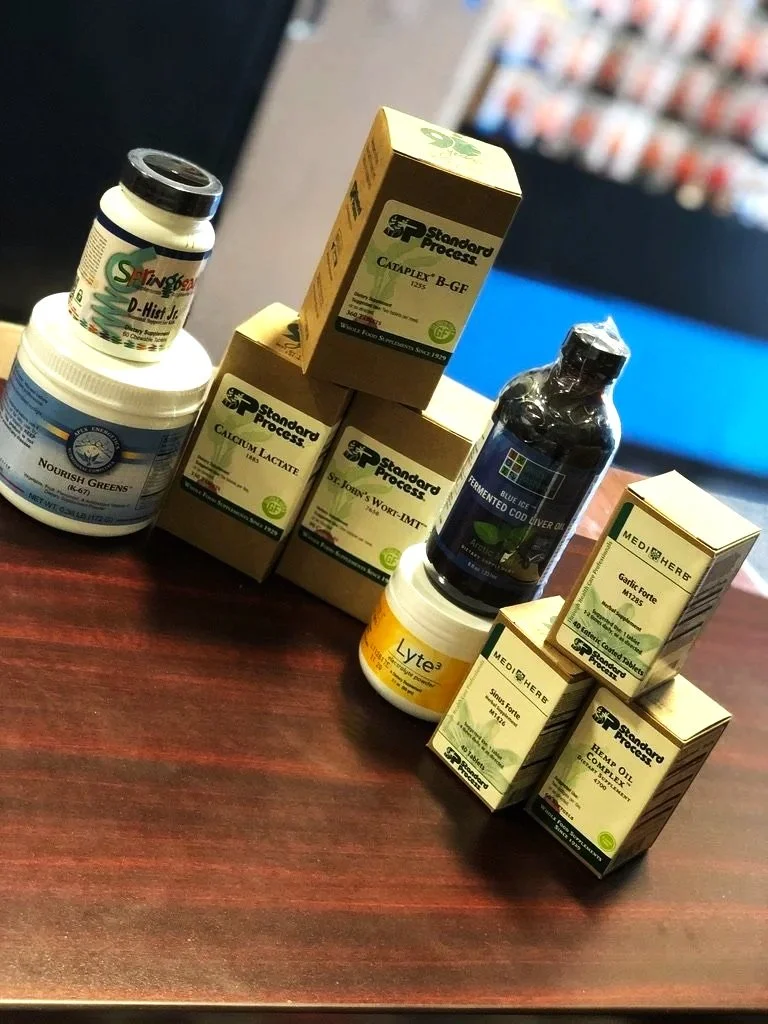
Standard Process and MediHerb supplements
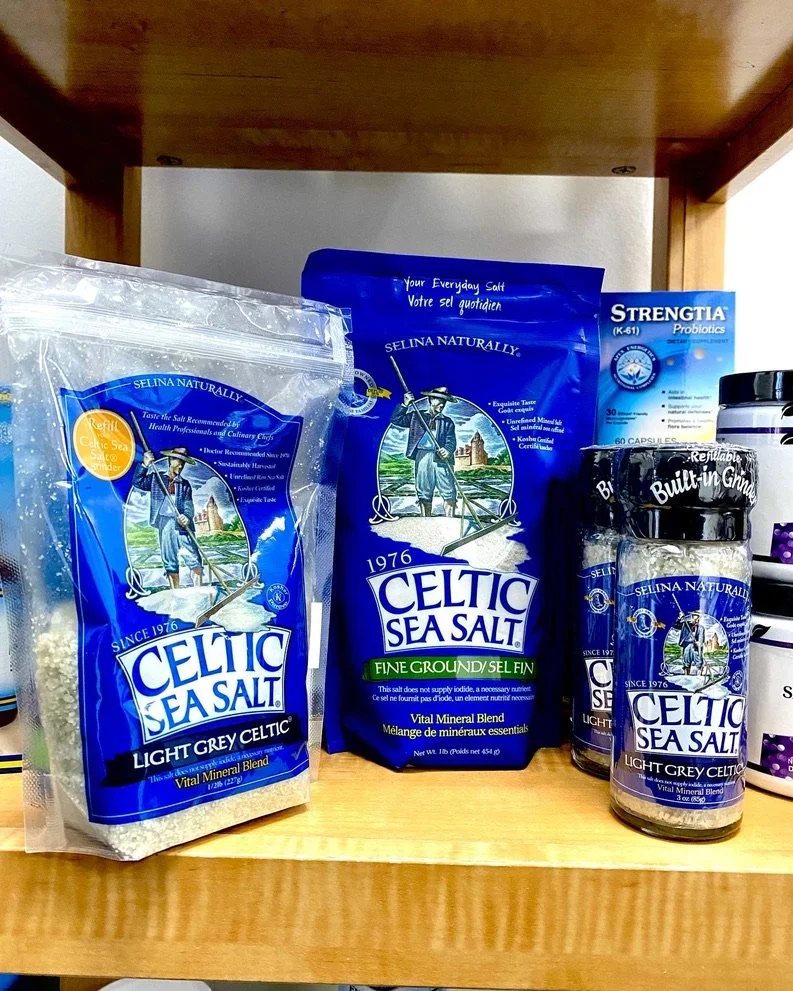
(whole food supplements along with the partnering herbal supplements)Celtic Sea Salt
Green Pasture
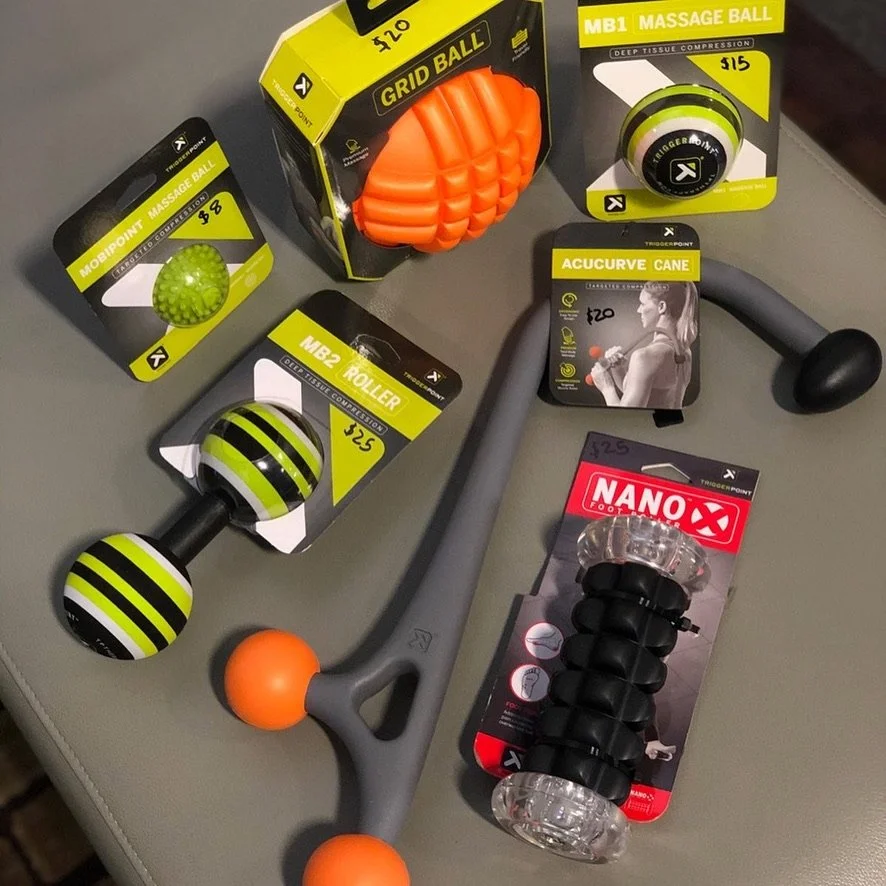
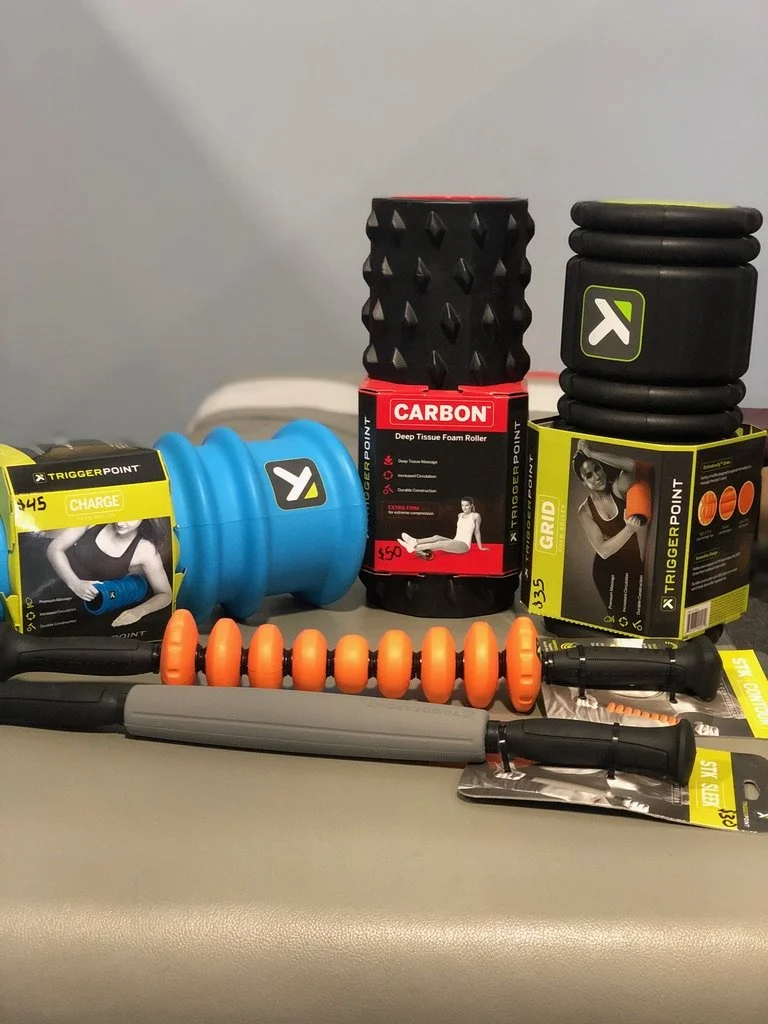
Trigger Point
Therabody
RockTape